Understanding Cerasee Through Culture and Clinical Awareness
 |
| Cerasee or bitter lemon has been has in Caribbean Countries as a traditional herbal medicine. |
Across Jamaica and the wider Caribbean, few bush teas are as well known — or as intensely bitter — as Momordica charantia, commonly called Cerasee.
By Norris R. McDonald, DIJ, Respiratory Therapist

But what does modern research say about cerasee?
Is it safe?
Can it interact with medications?
As a Respiratory Therapist and herbal educator, my goal is not to promote or dismiss traditional remedies, but to examine them responsibly — through both cultural respect and clinical caution.
🌱 What Is Cerasee?
Cerasee comes from a climbing tropical vine known scientifically as Momordica charantia. It is also commonly called:
- Bitter melon
- Bitter gourd
- Caribbean cerasee vine
The plant produces a warty green fruit and slender vines with serrated leaves. While the fruit is widely consumed as a vegetable in Asia, the leaves and vines are typically used in Caribbean bush tea preparations.
 |
| This is the ripe fruit of the cerasse plant, a traditional Jamaican herbal tea. |
Traditional Uses of Cerasee in the Caribbean
Cerasee tea has historically been used for:
- “Blood cleansing”
- Skin eruptions (eczema, rashes, acne)
- Fever reduction
- Digestive discomfort
- Parasite cleansing
- Blood sugar balance
- General detoxification
The phrase “blood cleansing” in traditional Caribbean medicine often refers to supporting:
- Liver function
- Kidney elimination
- Skin health
- Digestive clearance
While these traditional terms are cultural rather than clinical, some modern research offers partial biochemical explanations.
What Modern Science Says About Cerasee
Scientific investigation into Momordica charantia has identified several active compounds, including:
- Charantin
- Momordicin
- Polypeptide-p
- Various flavonoids and alkaloids
Research findings suggest:
1️⃣Blood Sugar Effects
Cerasee (bitter melon) has been studied for potential glucose-lowering effects. Some small clinical studies suggest it may reduce fasting blood glucose levels.
⚠️ Clinical Caution:
Individuals taking insulin or oral hypoglycemic medications should use extreme caution. Combining cerasee with diabetes medication may increase the risk of hypoglycemia.
2️⃣ Antioxidant & Anti-Inflammatory Activity
Laboratory studies show antioxidant properties that may help reduce oxidative stress — a factor involved in chronic disease development.
However, antioxidant activity in laboratory settings does not automatically translate into clinical outcomes in humans.
3️⃣ Antimicrobial Properties
Some in vitro studies indicate antibacterial and antiviral potential. These findings are preliminary and require larger human trials before therapeutic conclusions can be drawn.
Traditionally, cerasee is believed to “clean the liver.” From a medical standpoint, the liver already performs detoxification through complex enzymatic pathways.
Some plant compounds in bitter melon have shown hepatoprotective effects in animal models. However:
- Dosage matters
- Preparation matters
- Excessive use may stress the liver
Patients with liver disease should consult a physician before consuming concentrated herbal teas.
⚠️ Potential Side Effects & Risks
While cerasee is widely consumed traditionally, it is not risk-free.
Reported risks include:
- Hypoglycemia (low blood sugar)
- Gastrointestinal upset
- Abdominal cramping
- Diarrhea
- Possible uterine stimulation
Pregnancy Warning
Some studies suggest bitter melon may stimulate uterine contractions. It should be avoided during pregnancy unless cleared by a healthcare provider.
Pediatric Use
Although traditionally given to children, modern dosing standards are unclear. Caution is strongly advised.
How Cerasee Tea Is Traditionally Prepared
Typical preparation method:
- A small handful of fresh vine and leaves
- Thorough washing
- Boiled in 2–3 cups of water
- Simmered for several minutes
- Strained and consumed warm
The tea is extremely bitter. Traditionally, it is consumed unsweetened or lightly sweetened.
⚠️ Stronger is not better. Over-concentration may increase adverse effects.
Cultural Significance of Cerasee
Cerasee is more than a plant — it is part of Caribbean identity.
It represents:
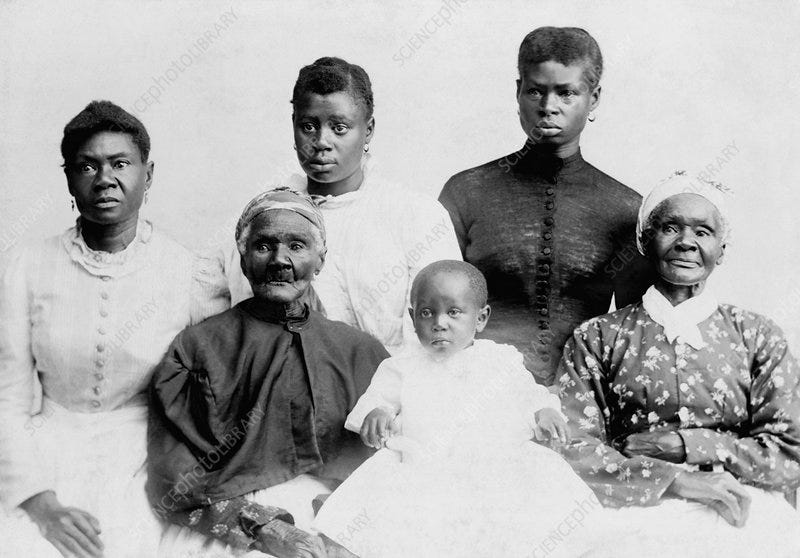
- Resilience during slavery and colonization
- Self-reliance in rural communities
- Generational knowledge transfer
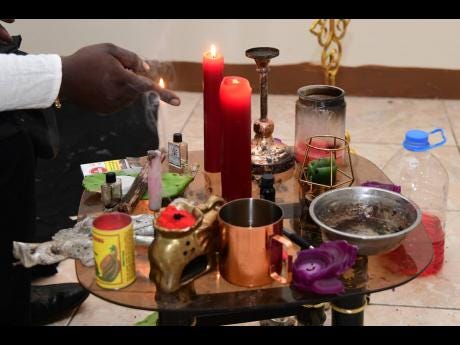
- Seasonal cleansing rituals
In many households, cerasee is given at the beginning of the school year or during Lent as part of cleansing traditions.
Understanding this cultural context prevents reduction of traditional medicine to mere biochemical compounds.
🌿 Cerasee vs. Pharmaceutical Treatment
It is important to emphasize:
Cerasee should not replace:
- Insulin therapy
- Blood pressure medication
- Antibiotics
- Prescribed dermatological treatment
Herbal remedies may complement wellness practices but should not substitute medical care.
As healthcare professionals, we must guard against delays in diagnosis caused by exclusive reliance on traditional remedies.
🌱 Integrating Cerasee Responsibly
If considering cerasee tea:
✔ Start with small amounts
✔ Avoid daily long-term use
✔ Monitor blood sugar if diabetic
✔ Avoid during pregnancy
✔ Consult your physician
✔ Discontinue if adverse symptoms occur
Moderation and supervision are key.
🌿 Frequently Asked Questions
Is cerasee tea good for diabetes?
Some studies suggest it may help lower blood sugar. However, it can interact with diabetes medication and should only be used under medical supervision.
Can cerasee cure skin conditions?
There is no clinical evidence that cerasee cures eczema or acne. It may have anti-inflammatory properties, but dermatological conditions require proper evaluation.
How often can I drink cerasee tea?
Traditional use is occasional or seasonal. Daily long-term consumption is not recommended without medical advice.
Is cerasee safe for children?
Traditional use includes children, but modern dosage standards are unclear. Pediatric use should be discussed with a healthcare provider.
🌿 Conclusion: Respecting Tradition with Clinical Responsibility
Cerasee remains one of the most recognized herbs in Caribbean bush medicine. Its bitter taste reflects a long-standing belief in cleansing and renewal.
Scientific research suggests promising biochemical properties. However, herbal medicine requires the same seriousness as pharmaceuticals.
At Nautic Gardens, our approach remains:
Cultural respect.
Scientific awareness.
Patient safety.
Responsible education.
Herbal traditions deserve preservation — but also transparency.
LEARN ABOUT OTHER TRADITIONAL HERBAL PLANTS HERE:
African Slave Traditional Medicine in the Caribbean and U.S!
Black History Spotlight: African & Caribbean Traditional Medicine and Its Healing Legacy
----------------
About the Author
Norris R. McDonald, DIJ, Respiratory Therapist, is a healthcare professional with clinical experience in pulmonary care and respiratory health. In addition to his medical background, he is an Author, economic journalist, horticulturalist and cultural researcher dedicated to preserving African and Caribbean traditional medicinal knowledge.
His work through Nautic Gardens bridges ancestral herbal traditions with modern health awareness, promoting responsible education, cultural preservation, and evidence-informed dialogue.
He does not provide individual medical diagnosis or treatment through this publication. All content is intended for educational, cultural and informational purposes.
Follow SULFABITTAS NEWS for analysis on global health, human rights, and international affairs.