 |
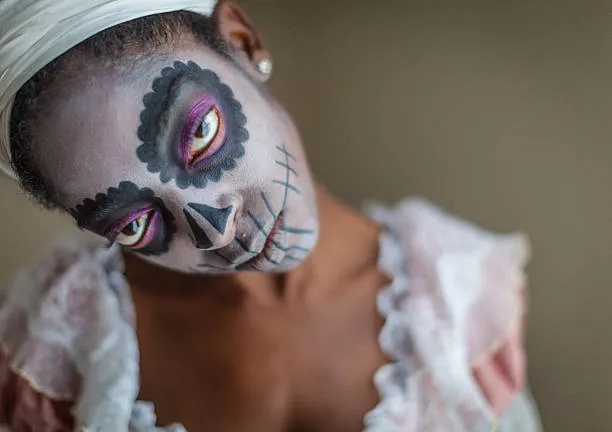
Haitian Voodoo worshipper. Voodoo is one of the many Black religion the evolved from Africa. Voodoo is very much about respect and honor - to each other, to the planet, to the ancestors, to the spirit.
By Norris R McDonald, DIJ, Respiratory Therapist
 Traditional African Medicine encompasses a range of elements that includes belief system of African - Black spiritualism, our relationship to nature, the universe in the use of plants, herbs, roots, vines, leaves and barks.

This is holistic medicine It combines an understanding of herbal practices with spiritualism. And because the nature of “God” is different for all people, this requires us to understand and acknowledge this uniqueness.

This attempt to understand what is Traditional African Medicine and the useful role it plays in society is now being explored by medical and social science.
Studies of traditional African Medicine have now become an important part of the efforts to infuse past knowledge with modern science. Indeed, it is important to emphasize that past traditional medical arts have help to revolutionize modern medicine.
In America, the National Library of Medicine working in tandem with the National Institute of Health have published important research in how plants, herbs and roots were used by Black people to treat diseases.
The American College of Physicians have done research on African Medical traditions.
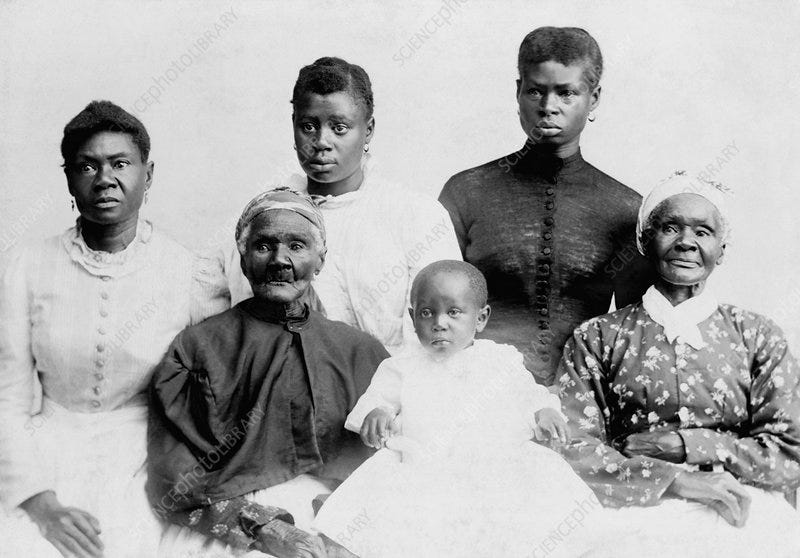
“Many enslaved African and African American women were sources of knowledge, and many served as midwives and healers,” the medical researchers reported. They concluded that:
“Using plant-based remedies and knowledge gained from experience, enslaved midwives delivered babies and did what they could to alleviate complications with pregnancy and childbirth,” the researchers said.
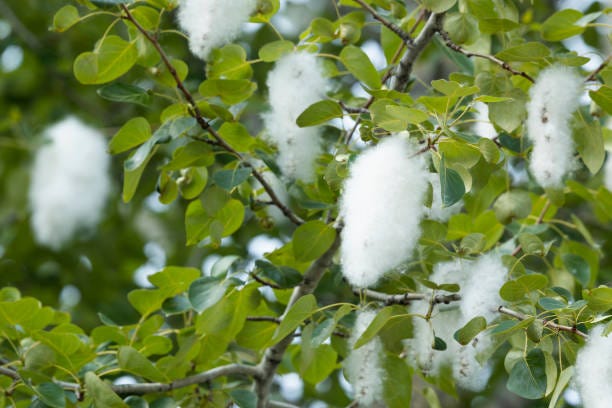
Other findings of The American College of Physicians, was that “former enslaved African American women, described that in secret, enslaved women used the root of the cotton plant to prevent pregnancy.”
HEALTH ISSUES OF THE SLAVE POPULATION
Influenzas, pneumonia, tuberculosis, common coughs and colds, dysentery, common belly ache and fever were common ailments. There were also other infectious disease, poor health and health outcomes including sudden death among Black slaves. Yellow fever and congenital syphilis was common too.
Dr. Patrice Lambert reported on a 2006 study of diseases among African Americans in the American South. The common disease were respiratory diseases (10%); tuberculosis (6.1%); typhoid fever (3.3%); diarrheal diseases (3.2%); diphtheria (3.2%); scarlet fever (1.6%); measles (1.1%); fevers (including malaria and yellow fever, 8.3%); dropsy (7.1%); nervous system diseases (5%); digestive system diseases (4.1%), and; worms (1.6%).
FACTORS CONTRIBUTING TO POOR HEALTH
There were harsh inhumane conditions of slavery. The climate was different from tropical Africa. There was poor diet. Living conditions were extremely harsh with slaves chained together in rough shacks on the plantations. Communicable diseases such as tuberculosis were therefore more easily spread.
EVIDENCE BASED LESSONS OF TRADITIONAL AFRICAN MEDICINE
Nowadays evidence-based knowledge of Traditional African Medicine and, other practices of native people worldwide, is helping the development of modern medicine.
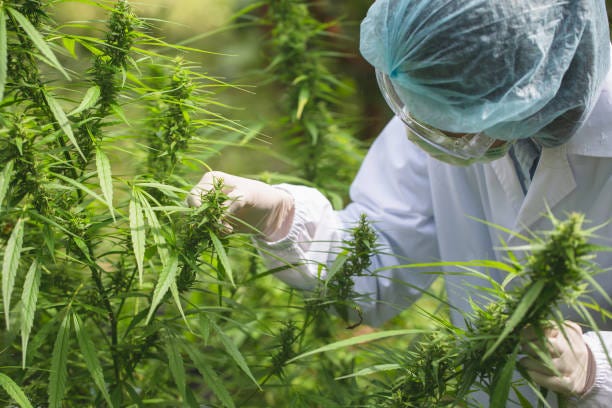
“Herbal medicine has become a popular form of healthcare,” Fablo Firenzuoli and Luigi Gorie conclude in a 2007 United States National Institutes of Health (USNIH) study, ‘Herbal Medicine Today: Clinical and Research Issues’.
Traditional herbal medicine have played and can continue to play a vital role in the self-regulation of the vital life functions of the body and help the healing process.
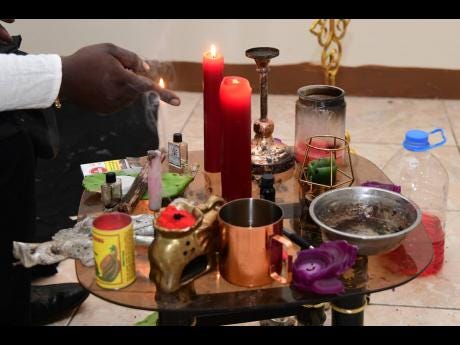
“The recognition of the cultural, spiritual, and religious foundation of ‘HERBS’, of ‘Bush Medicine’, for us as black people, ties us to the souls of our ancestors and; to our medical and cultural heritage.” – Norris McDonald - Jamaica Gleaner, April 19, 2020.